
Braces
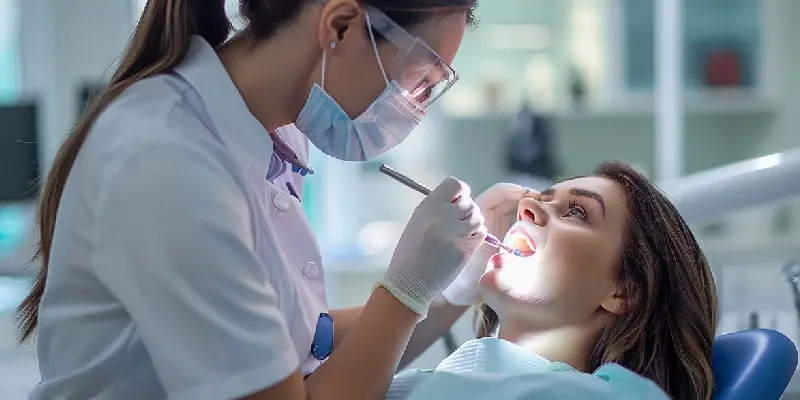
Braces are a popular and effective orthodontic treatment designed to straighten teeth, correct bite issues, and improve overall oral health. Using a combination of brackets, wires, and bands, braces gradually shift misaligned teeth into their proper positions. Whether you’re dealing with crooked teeth, overcrowding, gaps, or bite problems like overbite or underbite, braces provide a reliable solution. With advancements in orthodontics, modern braces come in various styles, including traditional metal braces, ceramic braces, and clear aligners, offering options to suit different needs and preferences. Braces not only enhance the appearance of your smile but also contribute to better oral function and long-term dental health.
Conventional
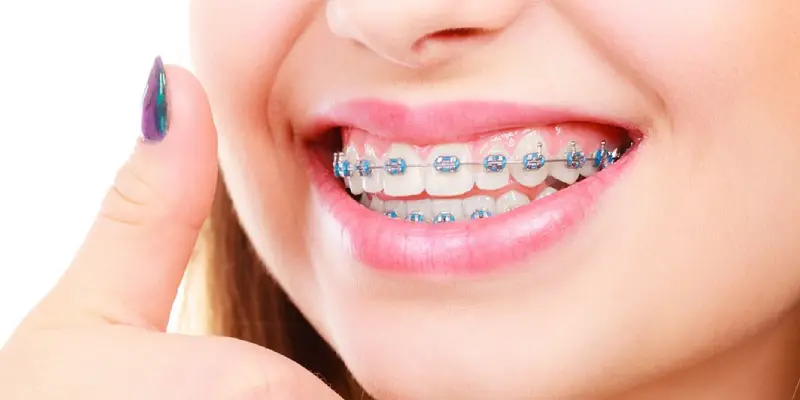
Conventional braces, also known as traditional metal braces, are one of the most widely used orthodontic treatments for correcting dental misalignments. These braces consist of metal brackets that are bonded to the teeth and connected with a thin wire. The wire is adjusted periodically to gradually shift the teeth into their proper positions.
With advancements in orthodontic technology, modern metal braces are smaller, more comfortable, and offer a variety of customization options, such as colored rubber bands to personalize the look. Conventional braces are a durable and time-tested solution for achieving a straighter, healthier smile.
Damon Self Ligating
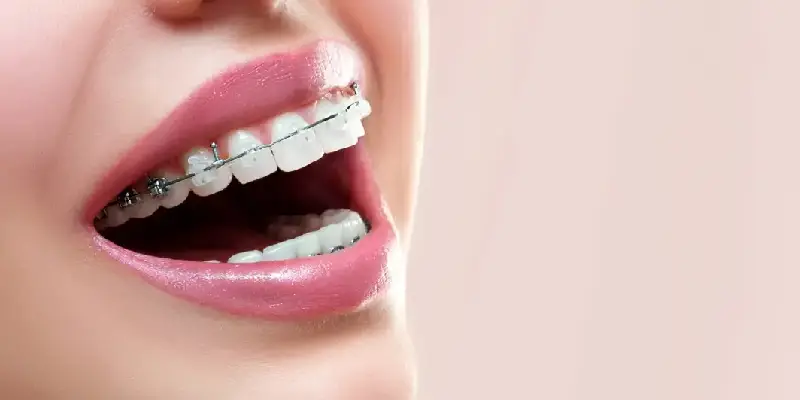
Damon Self-Ligating braces are a modern type of orthodontic treatment that offer a more efficient and comfortable alternative to traditional braces. Unlike conventional braces, which use elastic bands or metal ties to secure the archwire to the brackets, Damon braces feature a unique self-ligating system. Each bracket has a built-in sliding mechanism that holds the wire in place.
Clear Aligner
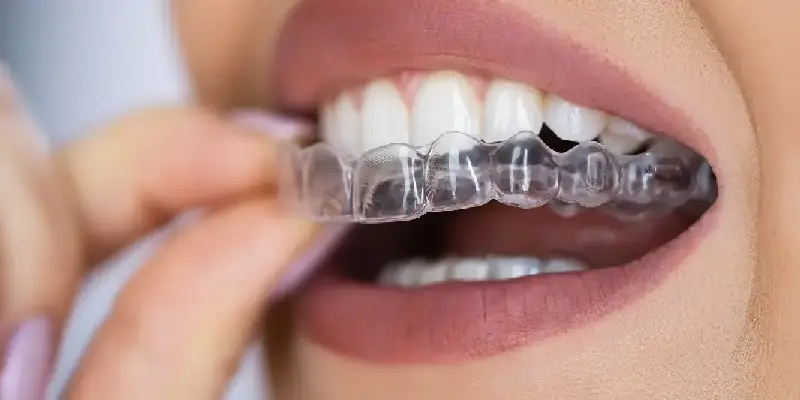
Do you dream of having the perfect smile? Having crooked or crowded teeth can make people self-conscious about their smiles, and can also hinder their dental hygiene, which can lead to tooth decay, gum disease, or other issues with oral health. Perhaps you’ve avoided orthodontic treatment because, as an adult, you don’t want to wear traditional metal braces. Fortunately, there may be a more discreet way to straighten your teeth: clear aligners.
Clear aligners are nearly invisible non plastic shells that snap over your teeth. As you wear them, they apply gentle pressure on your teeth to gradually reposition them. If you have mild to moderate orthodontic problems, aligner treatments may be the orthodontic solution you’ve been looking for.
Treatment process
The orthodontic treatment process typically involves several key steps, each designed to ensure that the teeth and jaws are properly aligned for both aesthetic and functional improvement. Here’s a simplified breakdown of the process in 6 points:
Initial Consultation & Evaluation :
The first step is to schedule a consultation with an orthodontist. During this appointment, the orthodontist will assess your dental and facial structure, review your medical history, and discuss your goals for treatment. This may include X-rays, photographs, and impressions of your teeth to create a customized treatment plan.
Treatment Planning :
After the evaluation, the orthodontist will design a personalized treatment plan based on your specific needs. This plan outlines the type of braces or orthodontic device (e.g., traditional braces, clear aligners, Damon braces) that will be used, the estimated duration of treatment, and the steps involved to achieve the desired results.
Placement of Braces or Appliances :
If braces are the recommended treatment, the next step is the placement of the braces. For traditional braces, this involves bonding brackets to your teeth and threading a wire through them, which is then secured with elastics. If you’re using self-ligating braces or clear aligners, the process will vary slightly but generally involves fitting the appliances to your teeth.
Periodic Adjustments & Monitoring :
Throughout the course of treatment, you will need to visit the orthodontist regularly for adjustments. This typically happens every 4 to 6 weeks. During these visits, the orthodontist will tighten or change the archwires, adjust the bands, or switch out aligners (if using clear aligners). These adjustments help guide the teeth into their proper positions.
Retention Phase :
After the desired results are achieved, the braces or appliances are removed. To maintain the alignment of your teeth and prevent them from shifting back, you will need to wear a retainer. Retainers can be fixed or removable, and wearing them as instructed is crucial to the long-term success of the treatment.
Follow-up Care & Maintenance :
Even after treatment is completed, it’s important to continue visiting the orthodontist for periodic check-ups. These visits ensure that the teeth remain in their new positions and that your bite stays functional and healthy. The orthodontist may adjust your retainer if needed to ensure your teeth stay properly aligned over time.
Our Services
Working Hours
- Mon – Sat10am - 7pm
- Sunday Closed
Book Your Orthodontic Consultation for Braces at GOMEZ SMILES
At GOMEZ SMILES, we offer advanced orthodontic care to help you achieve a straighter, healthier smile. Our experienced dental team uses the latest technology to ensure your braces treatment is comfortable, precise, and delivers the best possible results.
Contact us today to schedule your consultation and take the first step towards a confident, beautiful smile with expert braces treatment.